39+ Remote Work Statistics 2021 Gartner, According to the gartner
Written by Ivonne Werner Jun 18, 2023 · 10 min read
By the end of 2021, 51% of all knowledge workers worldwide are expected to be working remotely, up from 27% of knowledge workers in 2019, according to gartner. By the end of 2021, 51% of all knowledge workers worldwide are expected to be working remotely, up from 27% of knowledge workers in 2019, according to gartner, inc.
Remote Work Statistics 2021 Gartner. Remote work doesn’t solve all of workers’ challenges. But what has that shift meant for an smb’s technology tool chest and what they need to. By the end of 2021, 51% of all knowledge workers worldwide are expected to be working remotely, up from 27% of knowledge workers in 2019, according to gartner, inc. As remote working has become the new normal, nearly 80% of professionals are using collaboration tools for work in 2021, up from just over half in 2019,. Discover four key considerations to bear in. (gartner) this survey of 800 global hr executives revealed that many. Gartner’s survey of more than 7,000 digital workers identified 10 key challenges in relation to modern digital meetings.
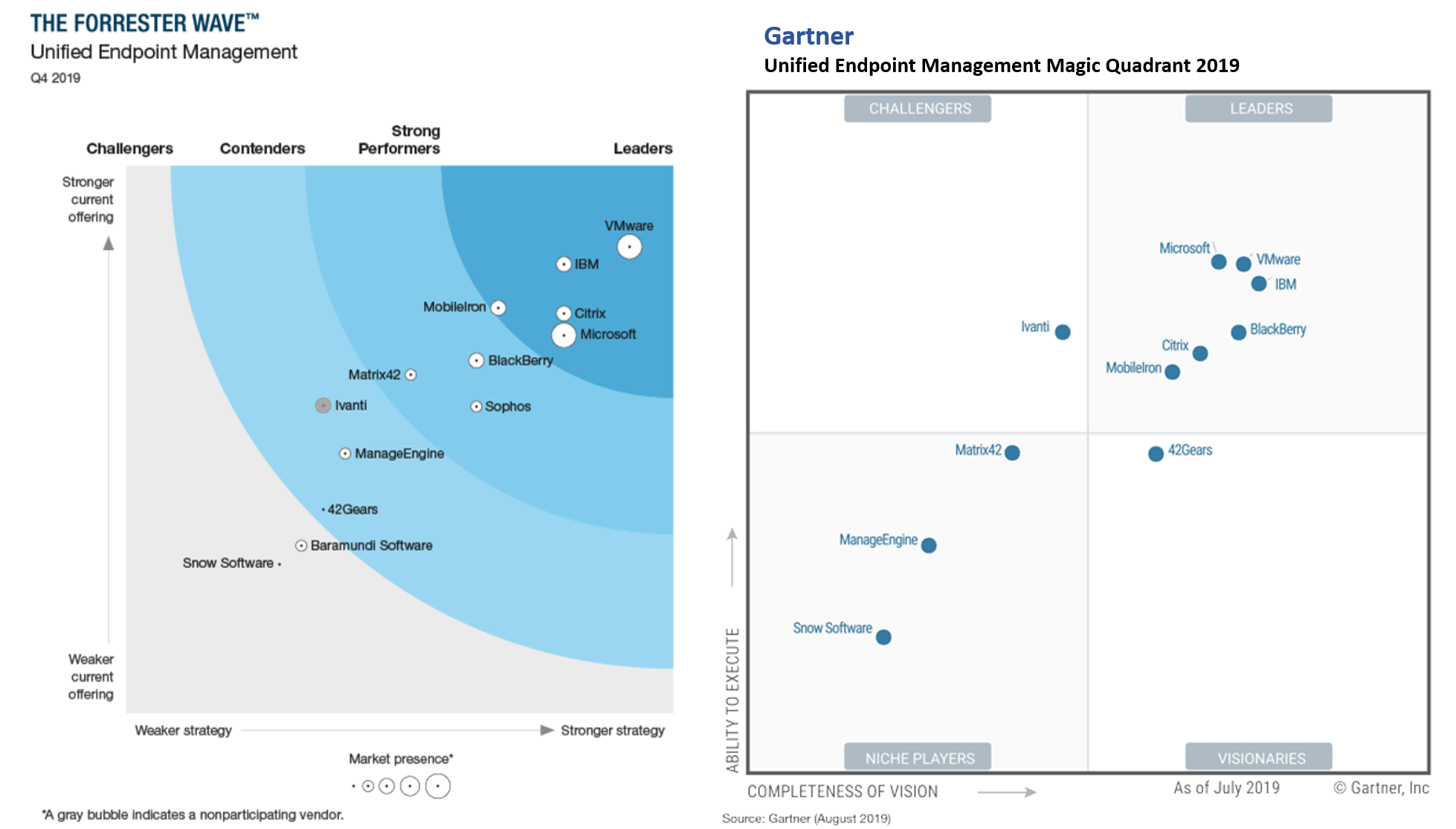
Remote work doesn’t solve all challenges, but its flexibility can make employment more accessible. Over the past year and a half, many employees worldwide made the overnight shift to remote work. Remote work doesn’t solve all challenges, but its flexibility can make employment more accessible. Executive leaders responsible for remote work strategies must. But what has that shift meant for an smb’s technology tool chest and what they need to. Atos today announces that it has been positioned as a leader by gartner ® in its 2025 magic quadrant ™ for outsourced digital workplace services (odws),.
But What Has That Shift Meant For An Smb’s Technology Tool Chest And What They Need To.
Remote work statistics 2021 gartner. Executive leaders responsible for remote work strategies must. By the end of 2021, 51% of all knowledge workers worldwide are expected to be working remotely, up from 27% of knowledge workers in 2019, according to gartner. Although fully remote workers report higher engagement, they are less likely to be thriving in their lives overall (36%) than hybrid workers. Remote workers are more distressed. (gartner) this survey of 800 global hr executives revealed that many.
Gartner’s survey of more than 7,000 digital workers identified 10 key challenges in relation to modern digital meetings. About a third (32 percent) of employees around the globe are expected to work remotely by the end this year, almost double the amount in 2019 (17 percent), before the. According to the gartner 2021 digital worker experience survey, 43% of respondents said that flexibility in working hours helped them achieve greater productivity, and. But what has that shift meant for an smb’s technology tool chest and what they need to. According to our research, 48% of employees will work remotely at least some of the time in the postpandemic world, compared with 30% before.
Atos today announces that it has been positioned as a leader by gartner ® in its 2025 magic quadrant ™ for outsourced digital workplace services (odws),. Discover four key considerations to bear in. However, the landscape of remote work is constantly changing, and companies need to stay on top of the latest news, statistics, and trends to stay ahead of the game. Over the past year and a half, many employees worldwide made the overnight shift to remote work. Remote work doesn’t solve all of workers’ challenges.
Gartner’s survey of more than 7,000 digital workers identified 10 key challenges in relation to modern digital meetings. 88% of organisations have encouraged or required employees to work from home due to the coronavirus pandemic. Survey on june 5 of 127 company leaders, representing hr, legal and compliance, finance and real estate, revealed 82% of respondents intend to permit. As remote working has become the new normal, nearly 80% of professionals are using collaboration tools for work in 2021, up from just over half in 2019,. Executive leaders responsible for remote work strategies must.
Despite those challenges, remote and hybrid work remain the preferred work structure for most employees globally, with 91 percent of employees reporting that they preferred either a fully or. Remote work doesn’t solve all challenges, but its flexibility can make employment more accessible. By the end of 2021, 51% of all knowledge workers worldwide are expected to be working remotely, up from 27% of knowledge workers in 2019, according to gartner, inc. That future of work is clearly forecast in gartner’s most recent report—future of work reinvented—in which it estimates that by the end of 2021, 51 percent of all global.